Almuñécar has over 2,000 years of history stacked on top of each other – and much of it you can step straight into.
Castillo de San Miguel
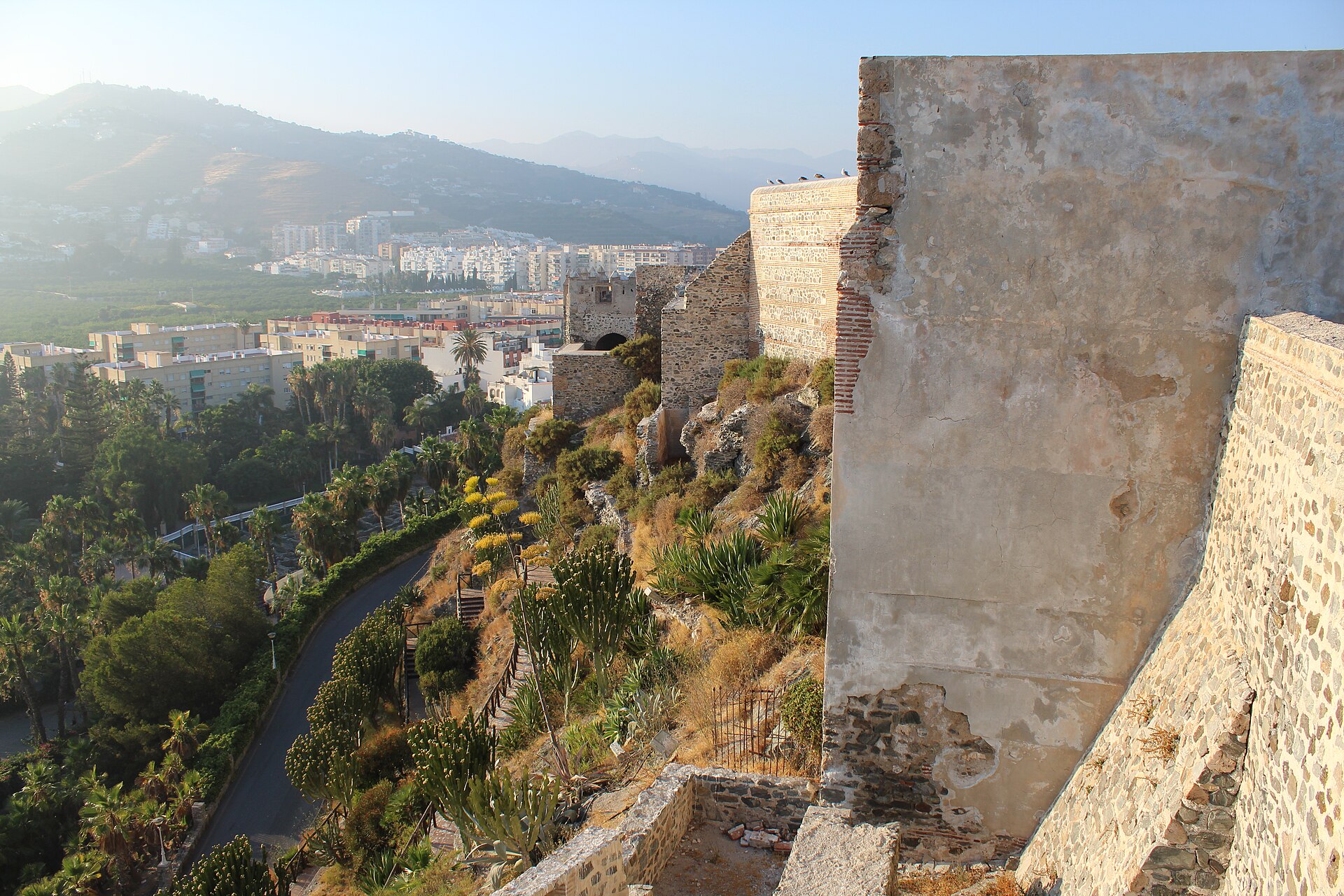
The castle stands proudly on the hill above the old town, on a site used by both Phoenicians and Romans. The shape you see today – with a moat, drawbridge and an entrance flanked by four round towers – dates from the early 16th century. During the Napoleonic War, the castle was bombarded and lay in ruins for a long time.
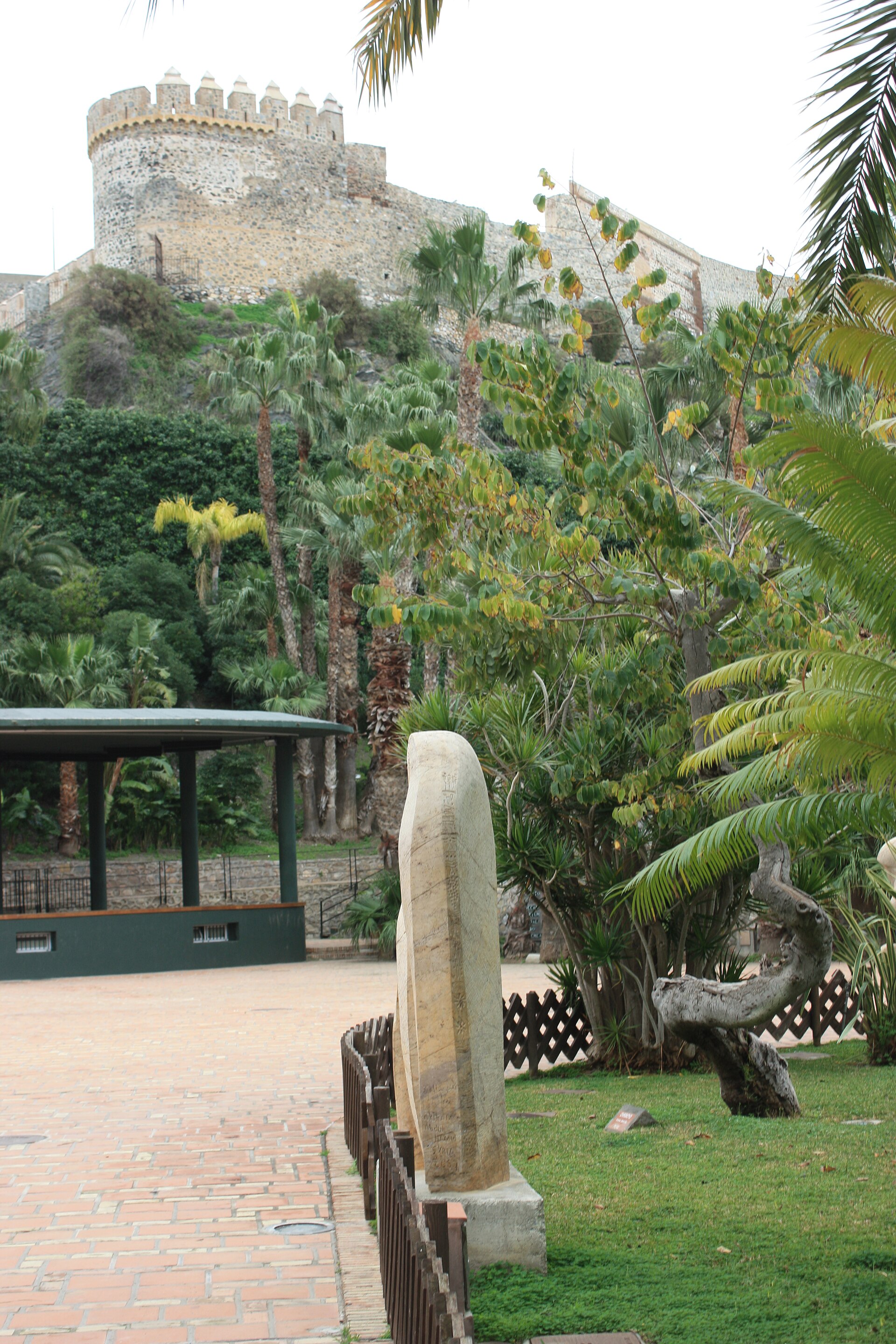
Today, part of the castle houses the town's history museum, and from the walls you have sweeping views over the whole town and coastline.
Cueva de Siete Palacios
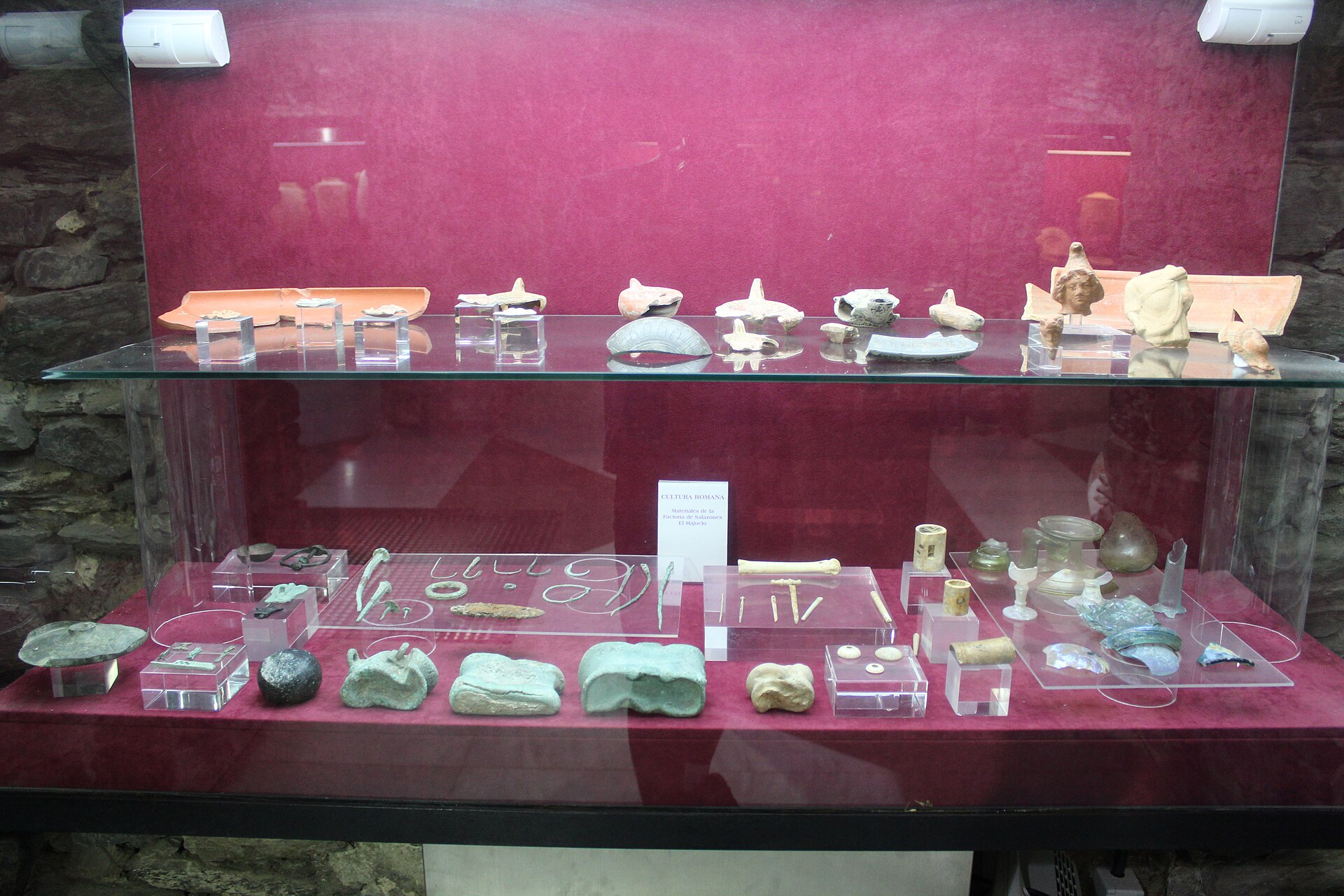
"The Cave of the Seven Palaces" is not a cave at all, but a Roman structure of heavy vaults that supported buildings above. Today, it houses the town's archaeological museum. The ticket usually covers both the castle and the museum.


The Roman Aqueduct
The Romans brought water from the springs at Río Verde near Jete into the town through a 7–10 km aqueduct – partly in tunnels, partly in channels and partly on arches. It has been a protected monument since 1931, and five sections with arches are preserved:
- Torrecuevas – approx. 130 m long, by Río Verde about 5 km from the town.
- La Carrera – approx. 91 m with twelve arches up to 6 metres high.
- Río Seco I, II and III – number III is the most impressive: approx. 72 m with two tiers of arches.
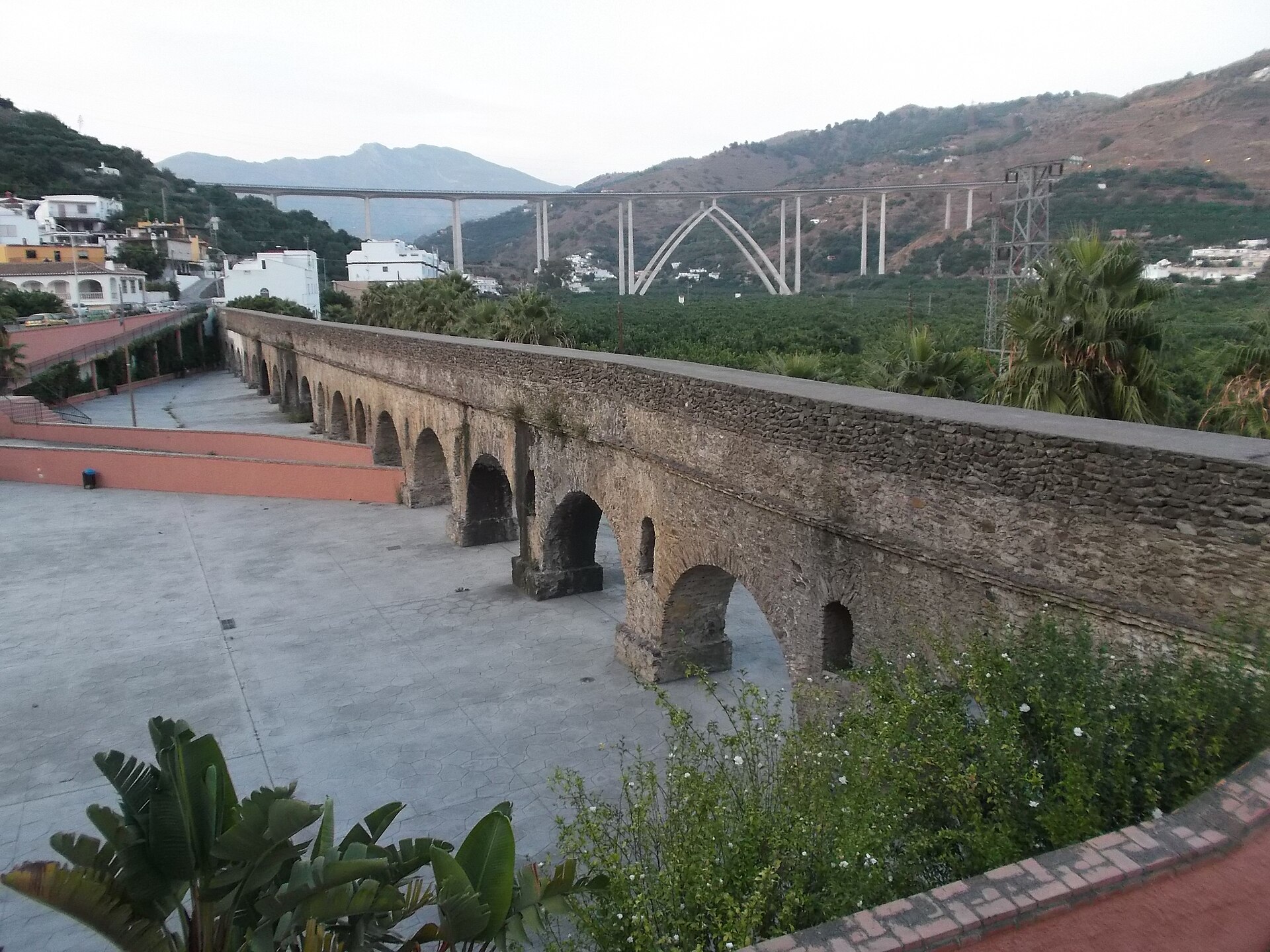
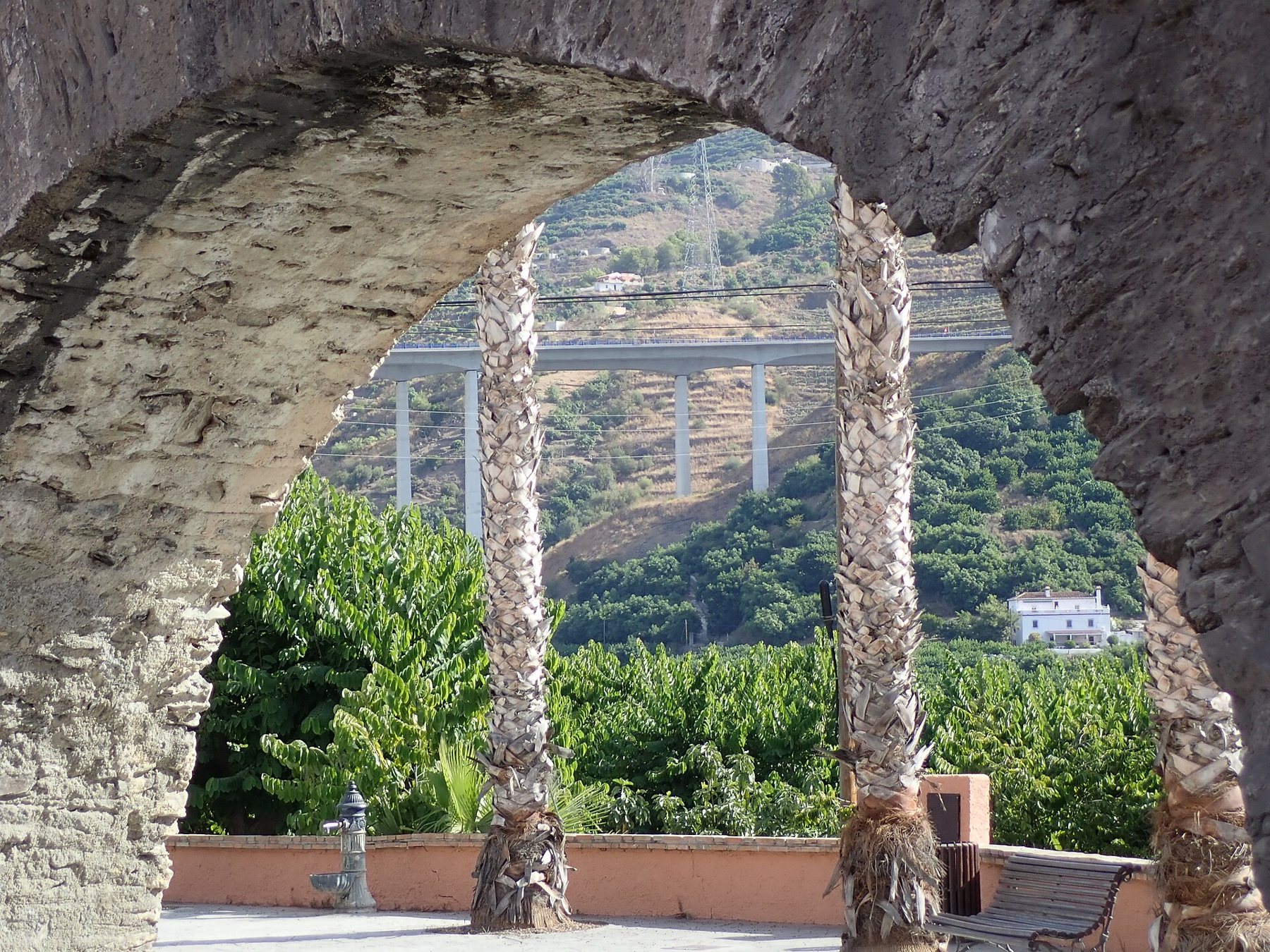

Several of the sections are still used to irrigate the fruit orchards – a piece of Roman engineering that has been in operation for nearly 2,000 years.
The Roman fish-salting factory
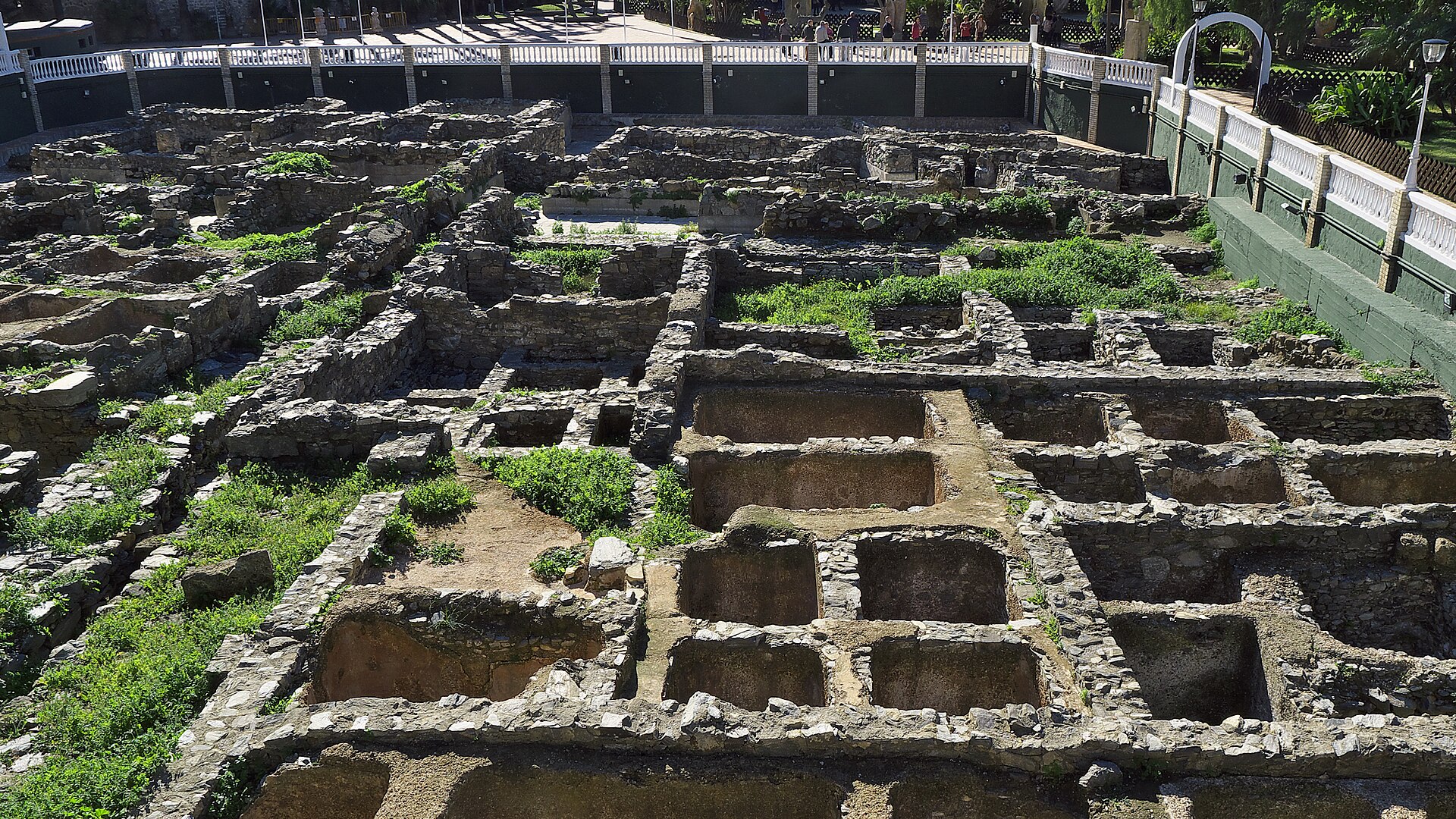
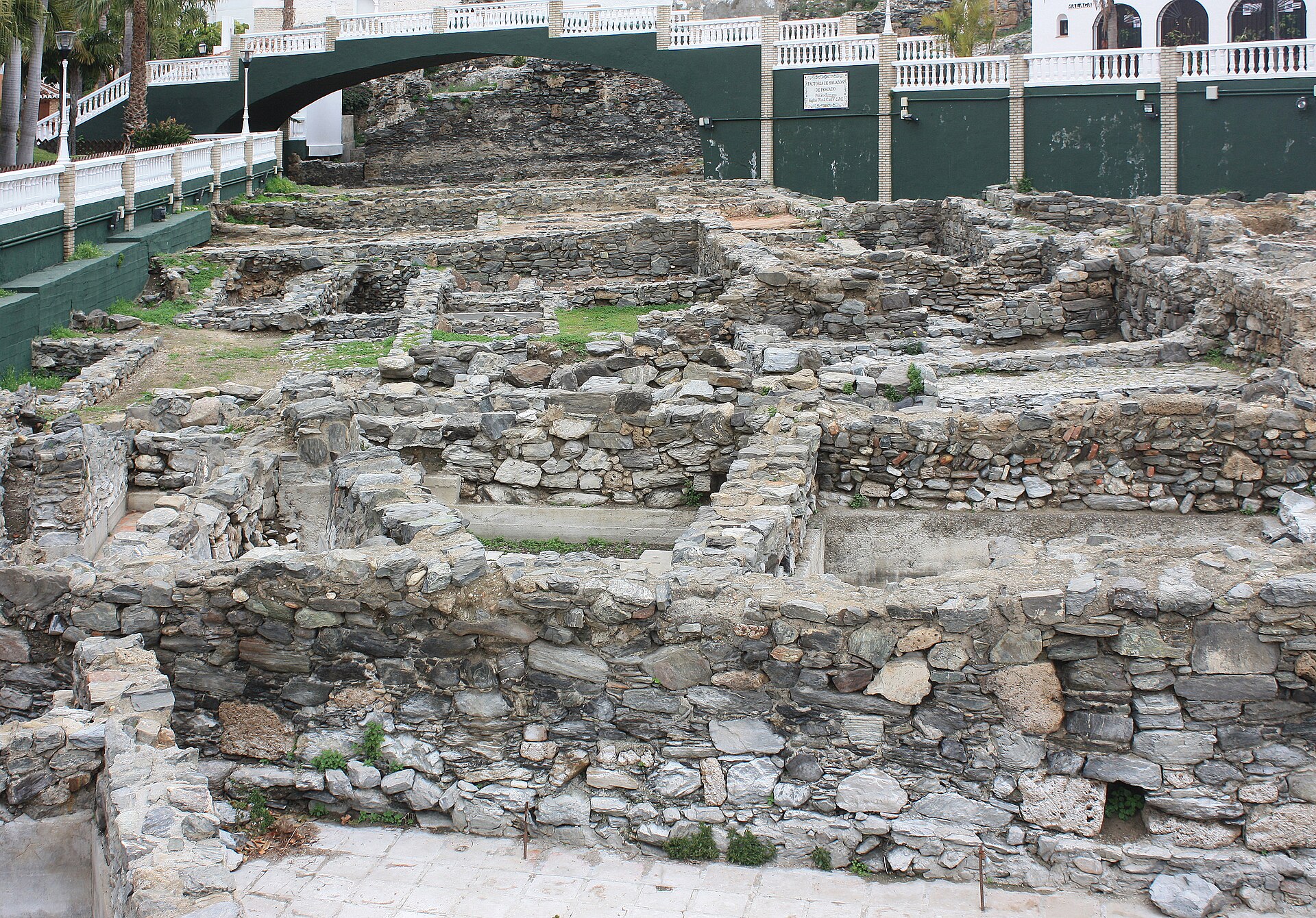
In Parque El Majuelo lie the remains of the factory where the Romans salted fish and produced garum. The large, square vats are still out in the open among the palm trees.

More to see
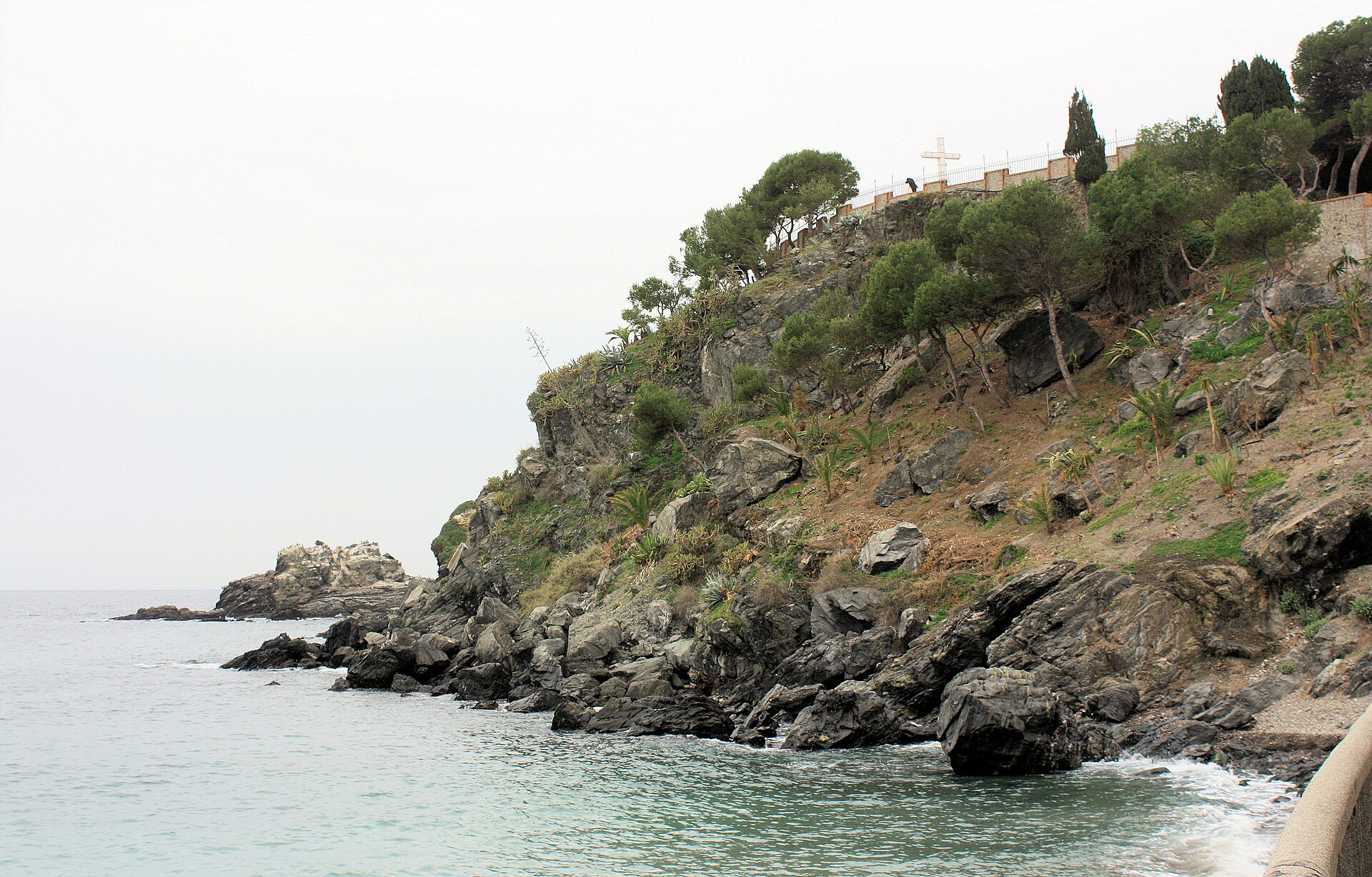
- Peñón del Santo – the rocky outcrop by the beach with the cross from 1489 and one of the town's best views.
- Iglesia de la Encarnación – the main town church, designed by the architect Juan de Herrera, who was also behind El Escorial.
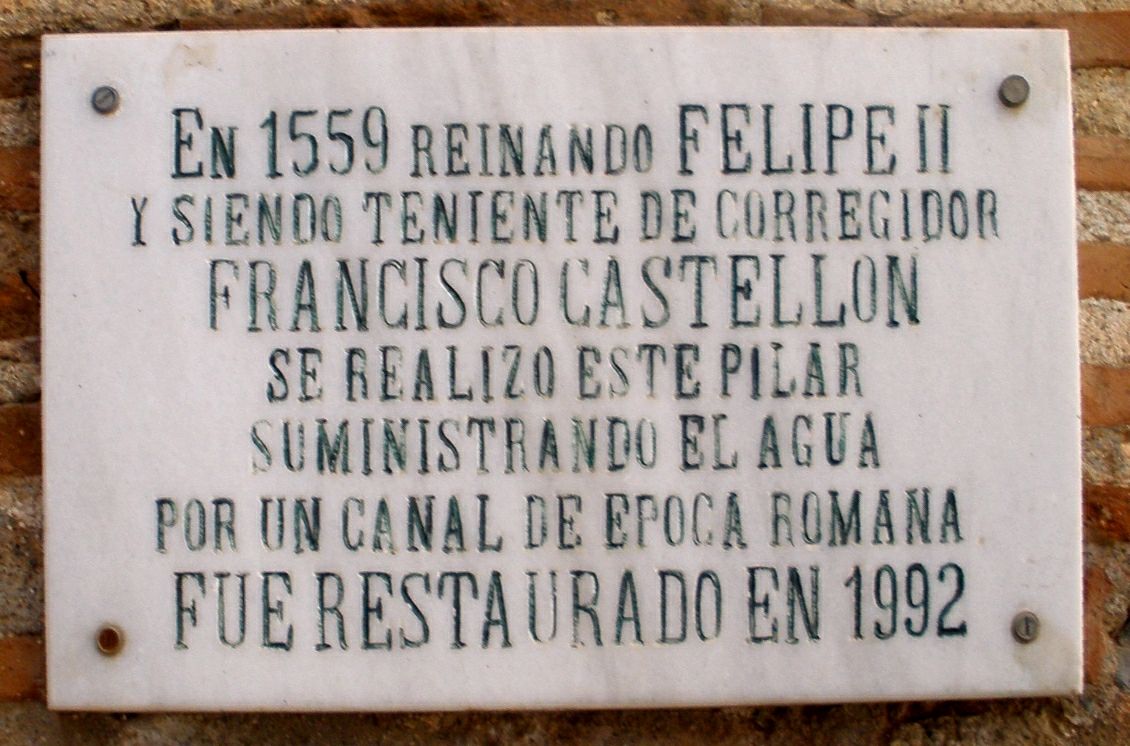
- Pilar de la Calle Real – a fountain sculpture built over an old Roman aqueduct pipe.
- Casa Barco – the house that looks like a ship. Read the story of Casa Barco.
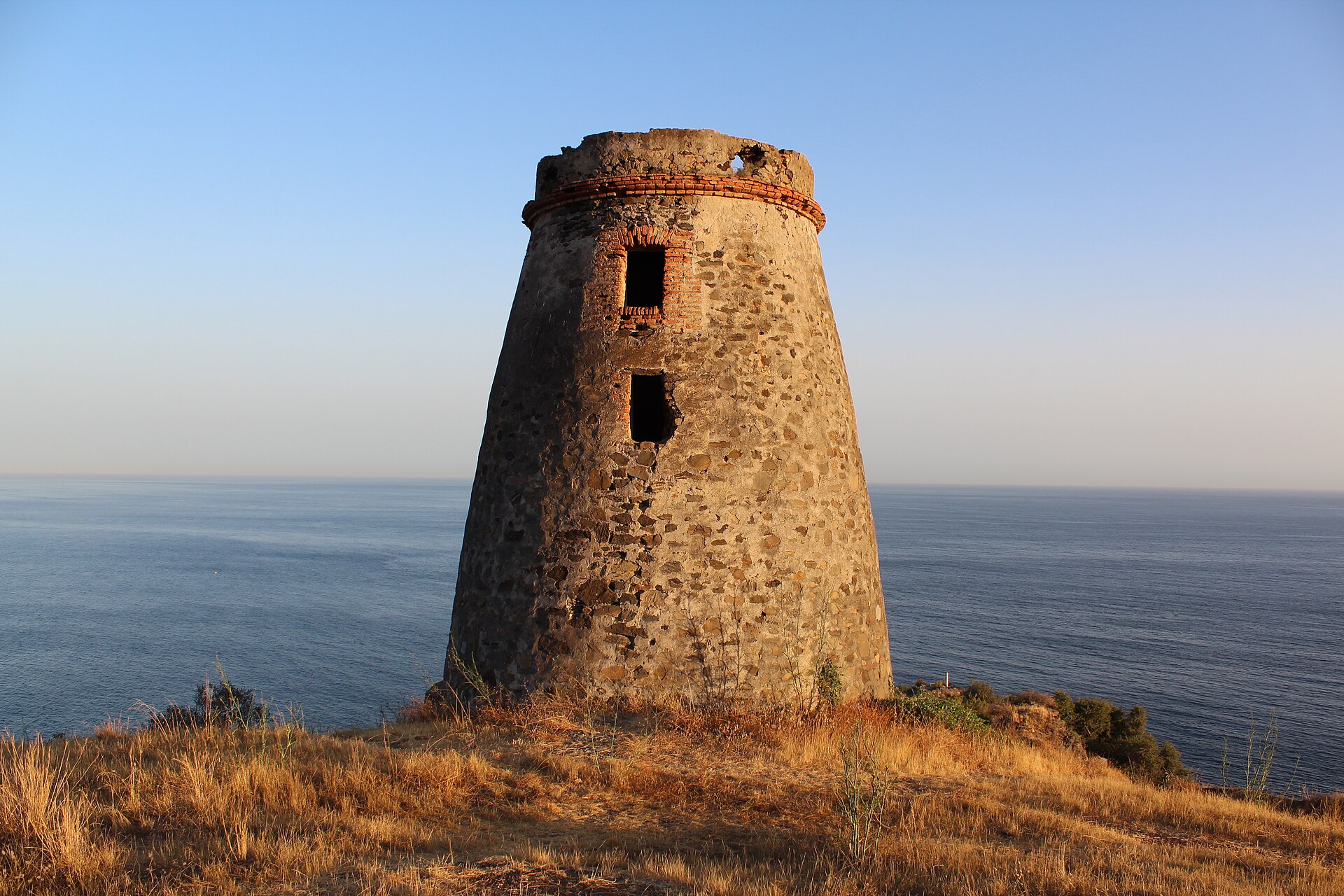
- The Watchtowers – along the coast stand old watchtowers, e.g. at Cerro Gordo, which kept a lookout for pirates.
Opening times and ticket prices change – check with the tourist office before you go.