Almuñécar: Iglesia de la Encarnación
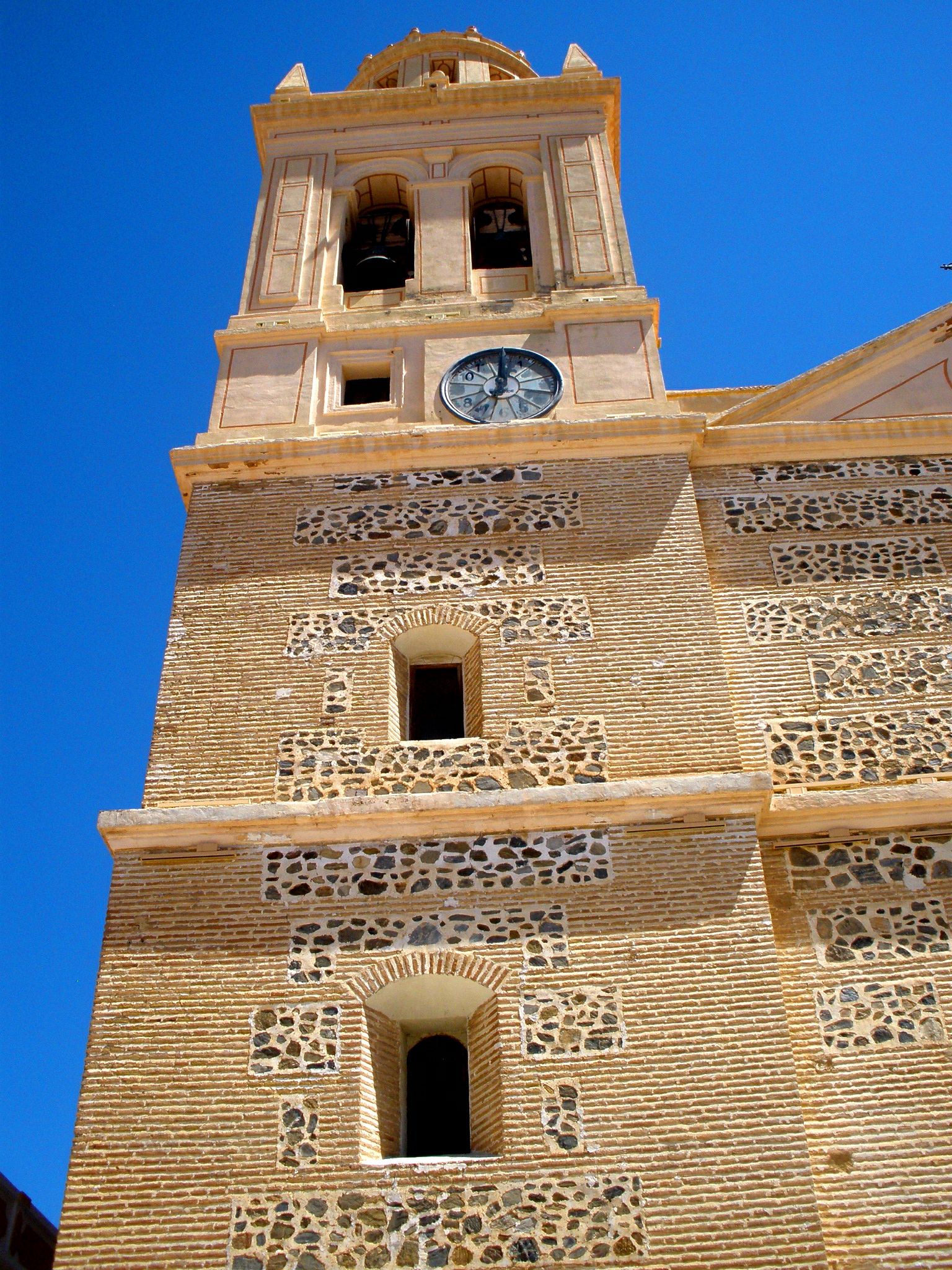
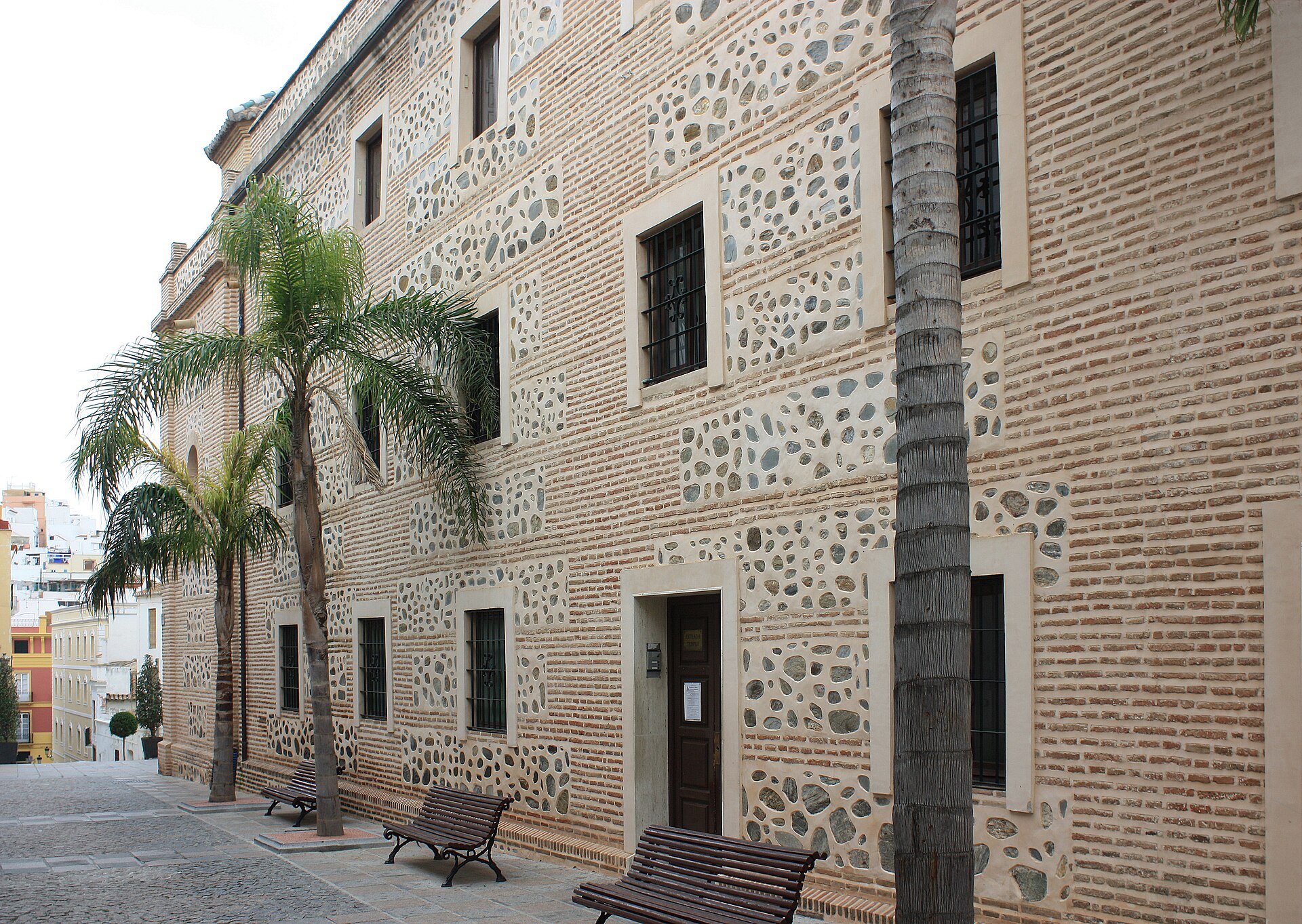
The town's main church is located in the old town beneath the castle. It was built around 1600 by the architect Ambrosio de Vico based on designs attributed to Juan de Herrera the man behind the El Escorial monastery and it is considered the first Baroque-style church in the province of Granada.
Inside the church stands the town's patron saint, Nuestra Señora de la Antigua: a small 45-centimetre Gothic Virgin Mary figure given to the town by the Catholic Monarchs in 1489. She was a "campaign virgin" who accompanied the army attached to a saddle. Since 1569 she has been the town's patron saint, and on 15 August she is carried in procession through the streets and taken out to sea on a boat while fireworks light up the sky over Peñón del Santo and the castle.

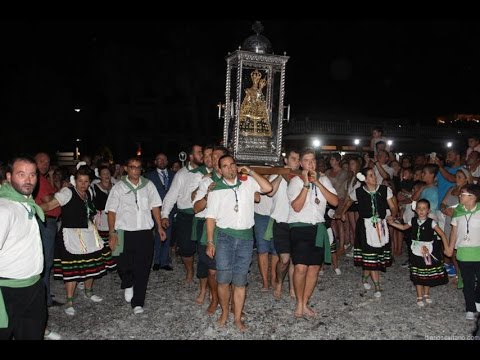 The procession for the Virgen de la AntiguaTURISMO ALMUNECAR
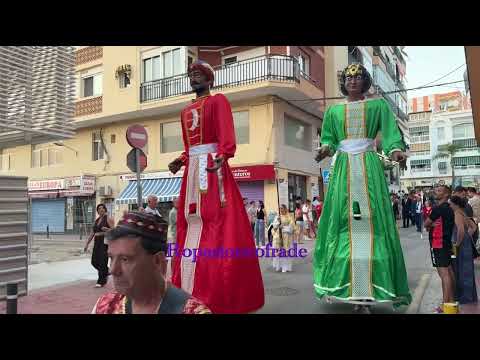 The maritime procession 2025Ro Pasión Cofrade
Lentegí: the church above the old mosque
Up in the mountains behind Jete stands Nuestra Señora del Rosario, built in 15431547 on the site of the village mosque. During the Morisco revolt in 1570, Lentegí was burned down, and the church was rebuilt in the 17th century using only the middle section of the original three naves. Combine your visit with a trip into the fruit valleys.
Nerja: El Salvador and Ermita de las Angustias
Right by the Balcón de Europa viewpoint lies Iglesia de El Salvador. The first part was completed in 1697, and the church blends Baroque and Mudéjar styles with a square tower. Inside, there are wall paintings by Francisco Hernández.
Further into town lies Ermita de Nuestra Señora de las Angustias from 1720, a small Baroque church with a single bell spire. Look up at the dome: the frescoes are attributed to the school of painting following Alonso Cano from Granada.
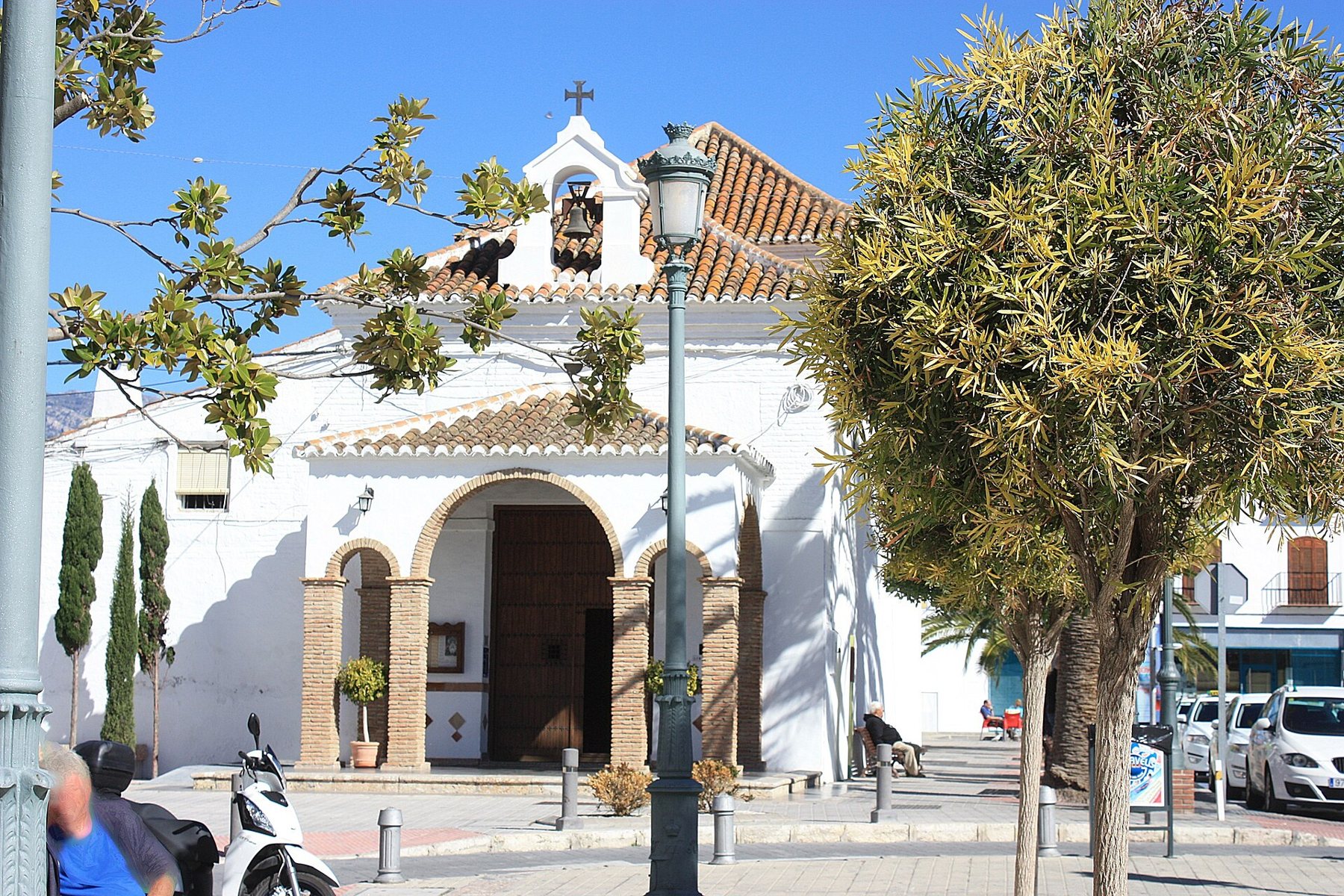

Maro: Iglesia de las Maravillas
In the small village of Maro between Nerja and La Herradura stands a simple white 17th-century church built in the local style. It is close to the cliffs in the Maro-Cerro Gordo nature reserve see Kayaking, snorkelling and diving at La Herradura.

Motril: the church that was also a fortress
Iglesia Mayor de la Encarnación was built between 1510 and 1514 on the site where the Alixara mosque once stood. From the outside it looks like a castle it was built to withstand attacks from pirates and corsairs. The church has a Mudéjar bell tower and was expanded in 1603. A large part of it was destroyed by an explosion in 1938 and later rebuilt.

Salobreña
In the white old town on the cliff in Salobreña stands the parish church of Nuestra Señora del Rosario, close to the castle. Walk up through the steep streets and combine your visit with the view from the castle over the coast.
Map of the churches
Red star = Playa Tropical. Click on a point for the name and distance. Map data © OpenStreetMap.
Open the route in Google Maps
- The church tour heading eastAlmuñécar → Salobreña → Motril.
- The church tour heading westMaro → Nerja (Angustias and El Salvador by the Balcón de Europa).
- The mountain churchesOtívar and Lentegí in the fruit valleys.
The routes start at Playa Tropical. On mobile devices, they open directly in the Google Maps app, ready for navigation.
See also Festivals and traditions and Easter processions the processions start from the churches.
Sources
- Andalucía.org: Church of Encarnación, Almuñécar
- Wikipedia (es): Nuestra Señora de la Antigua Coronada
- Wikipedia (es): Lentegí
- Wikipedia (es): Nerja – the churches
- Wikipedia (es): Iglesia mayor de la Encarnación (Motril)
- Wikipedia (es): Salobreña
- Photos from Wikimedia Commons – photographer and license listed under each image