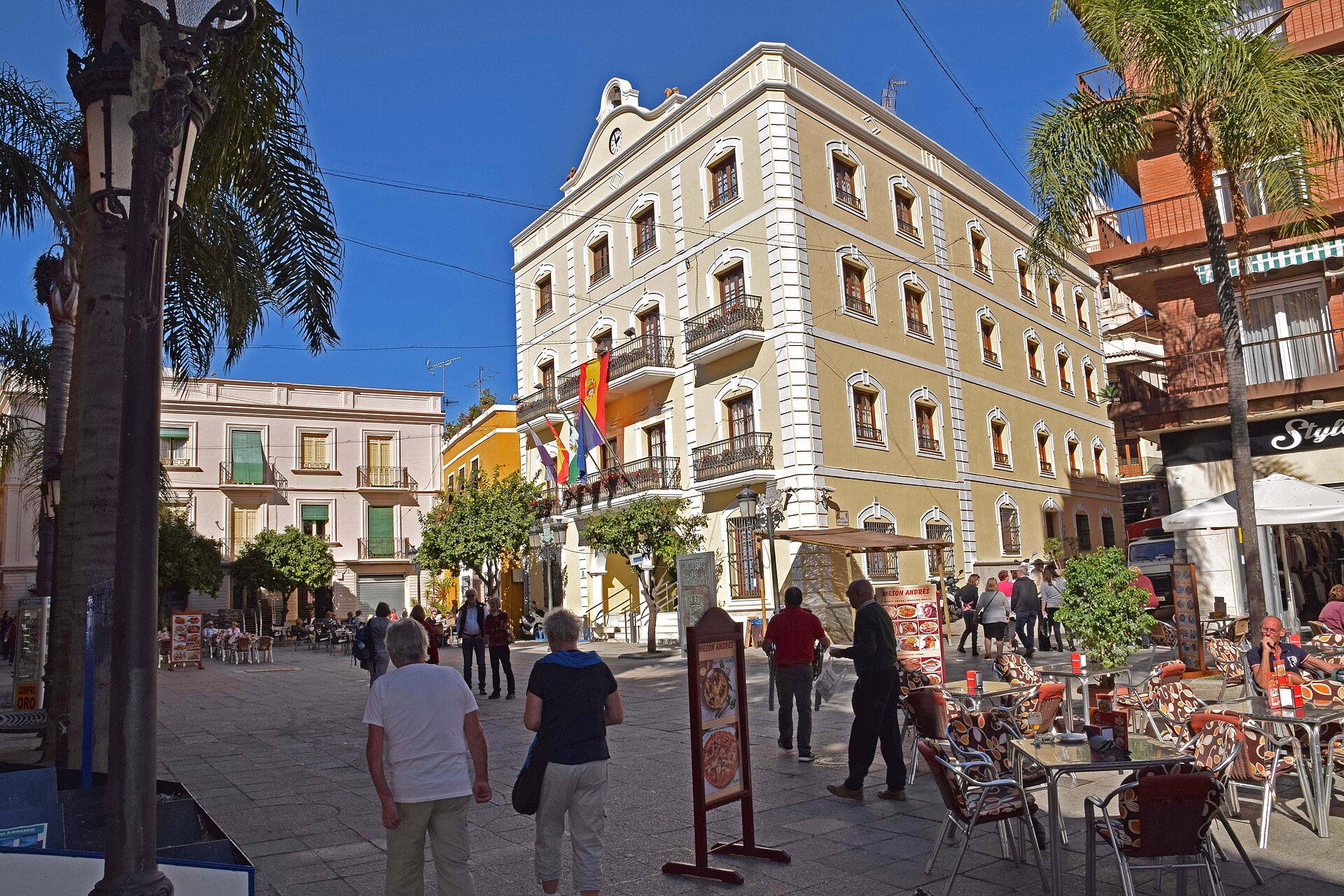
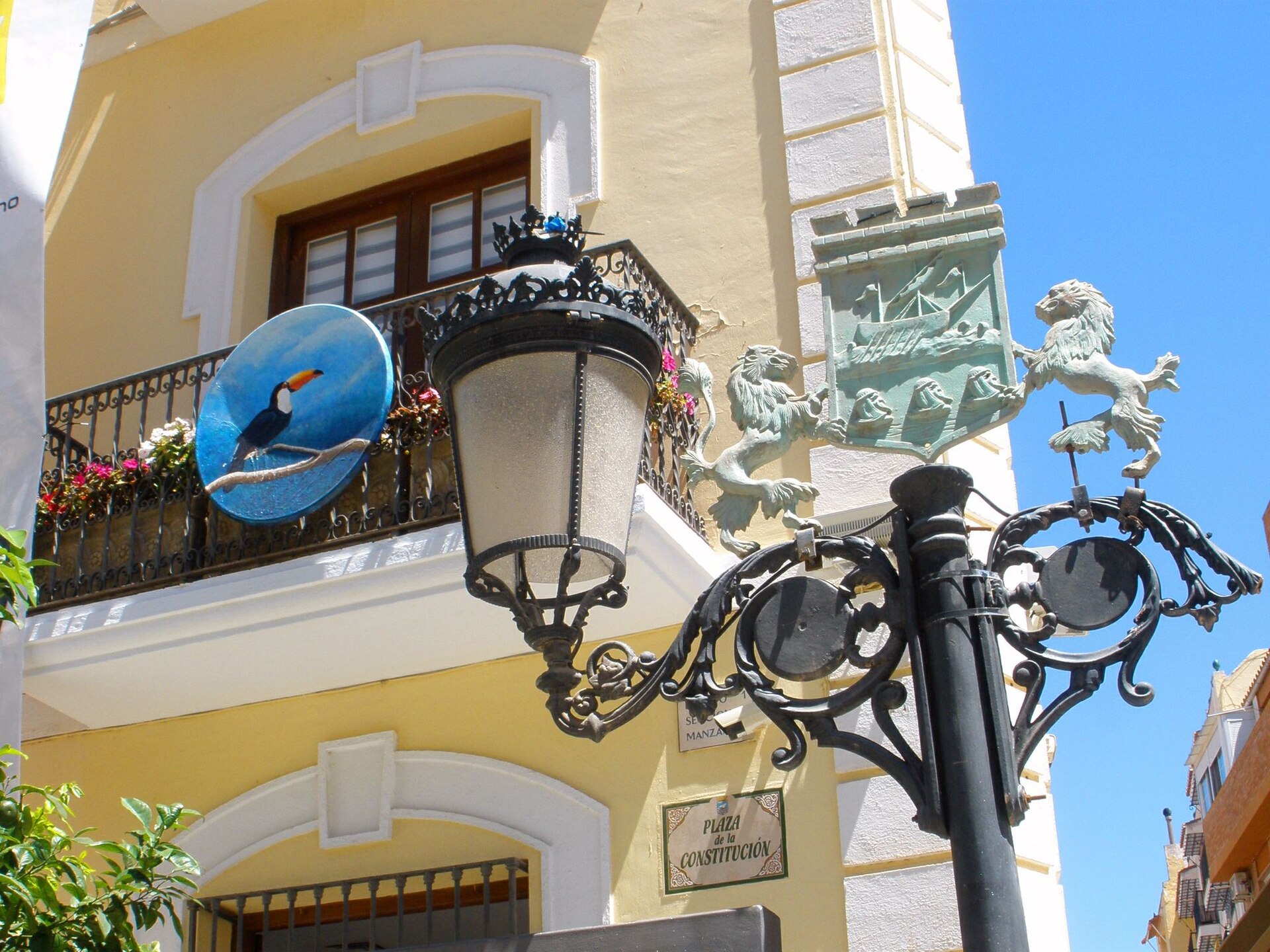
Plaza de la Constitución and the town hall
The heart of the town is the square in front of the yellow town hall with the clock in its gable. Here people sit beneath the orange trees enjoying a coffee, and here the town decorates for Easter and fiestas with banners draped from balconies.
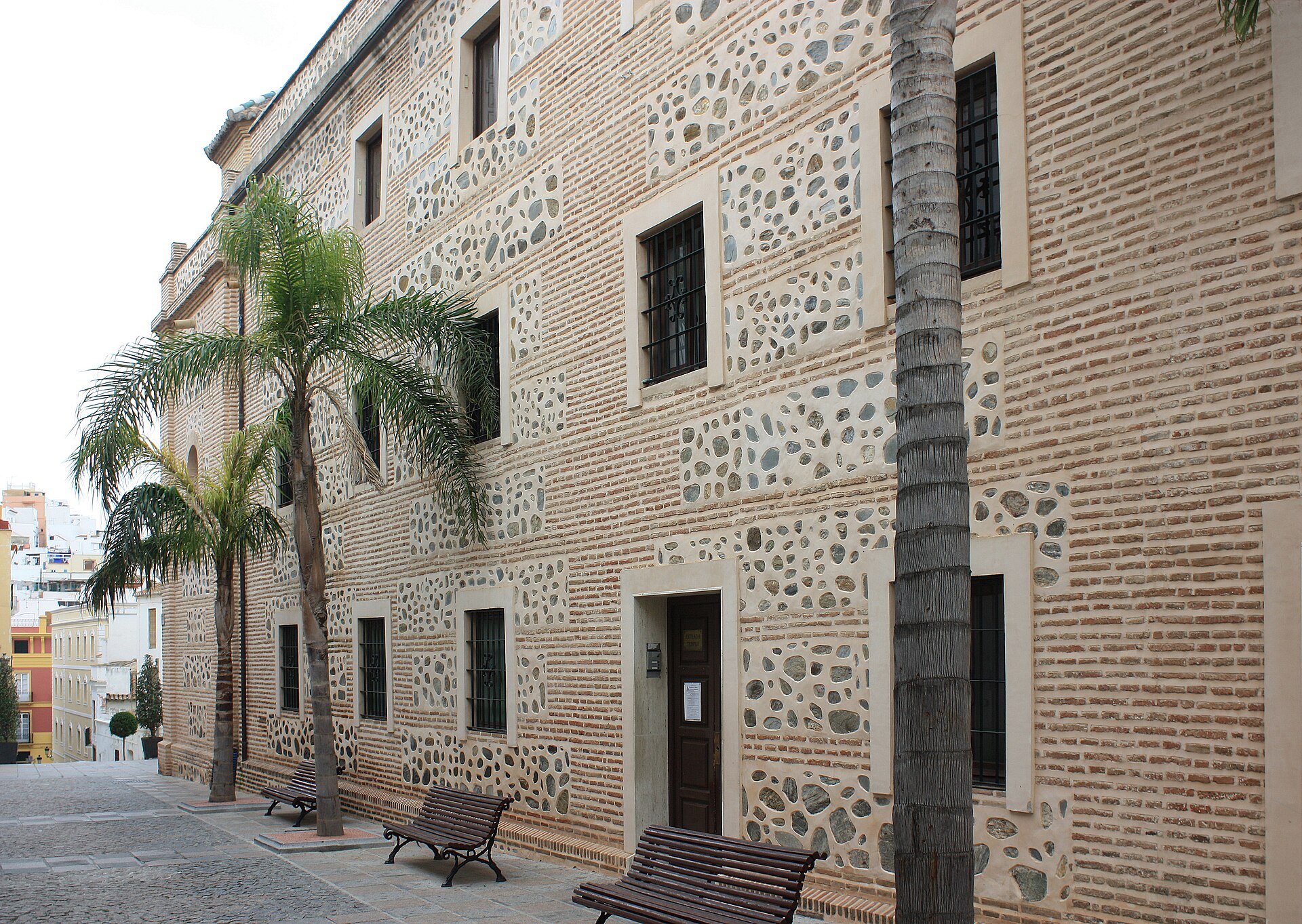
Iglesia de la Encarnación
The town's main church sits on a small rise in the old quarter. It was built at the end of the 16th century and is regarded as the first Baroque-style church in the province of Granada. The designs are attributed to Juan de Herrera, King Philip II's architect, and above the main portal stands the year 1600. During the Civil War, the church lost almost all of its art treasures – only some silverware, a few paintings and the statue of the town's patron saint, Virgen de la Antigua, were saved.

Pilar de Felipe II
In Calle Real, just a few paces from the town hall, stands the town's old public fountain from 1559 – built during the reign of Philip II and supplied with water via the Roman aqueduct. Today it serves only as a decorative feature, but it remains one of the town's oldest monuments.

Palacete de La Najarra
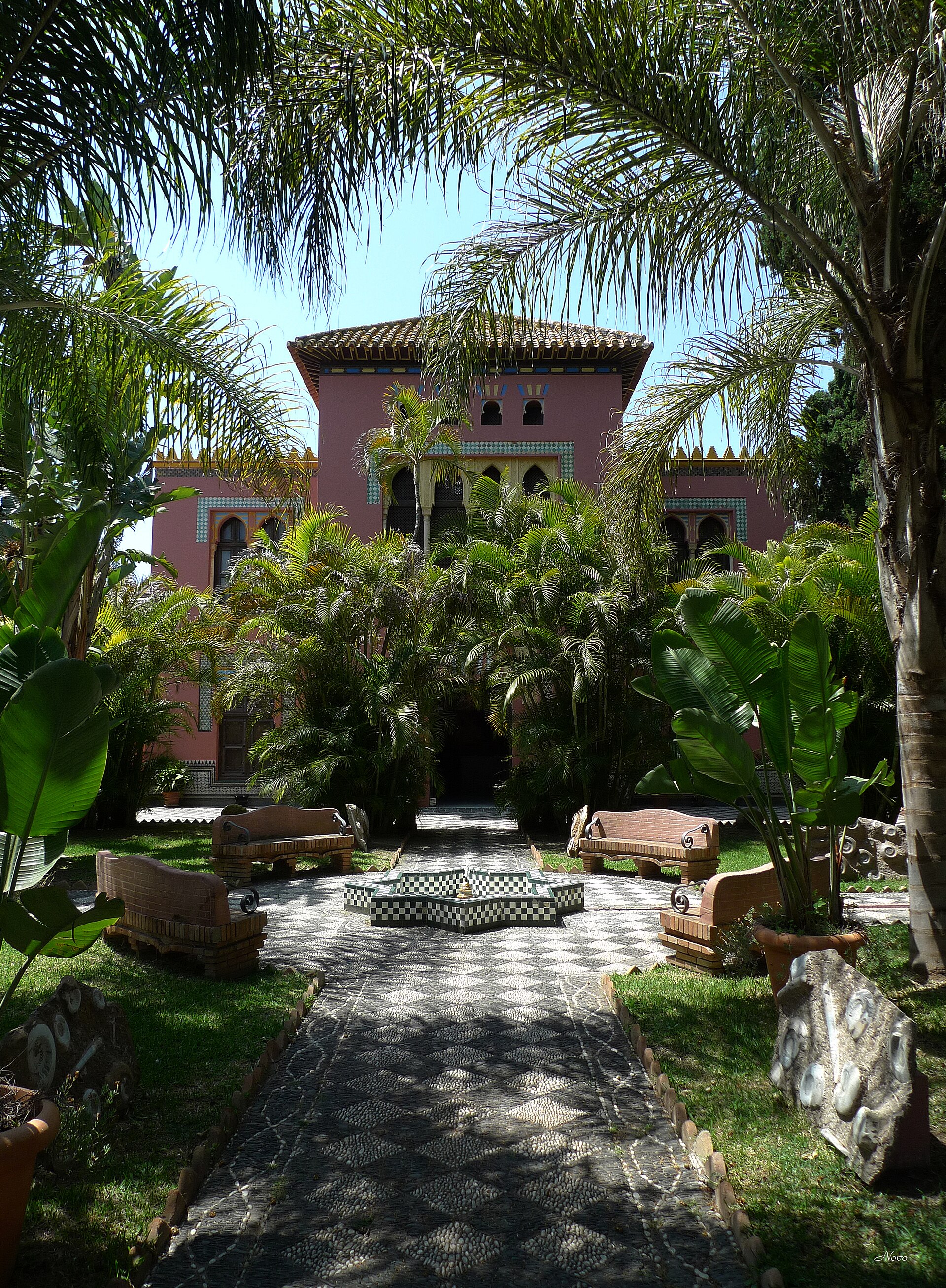
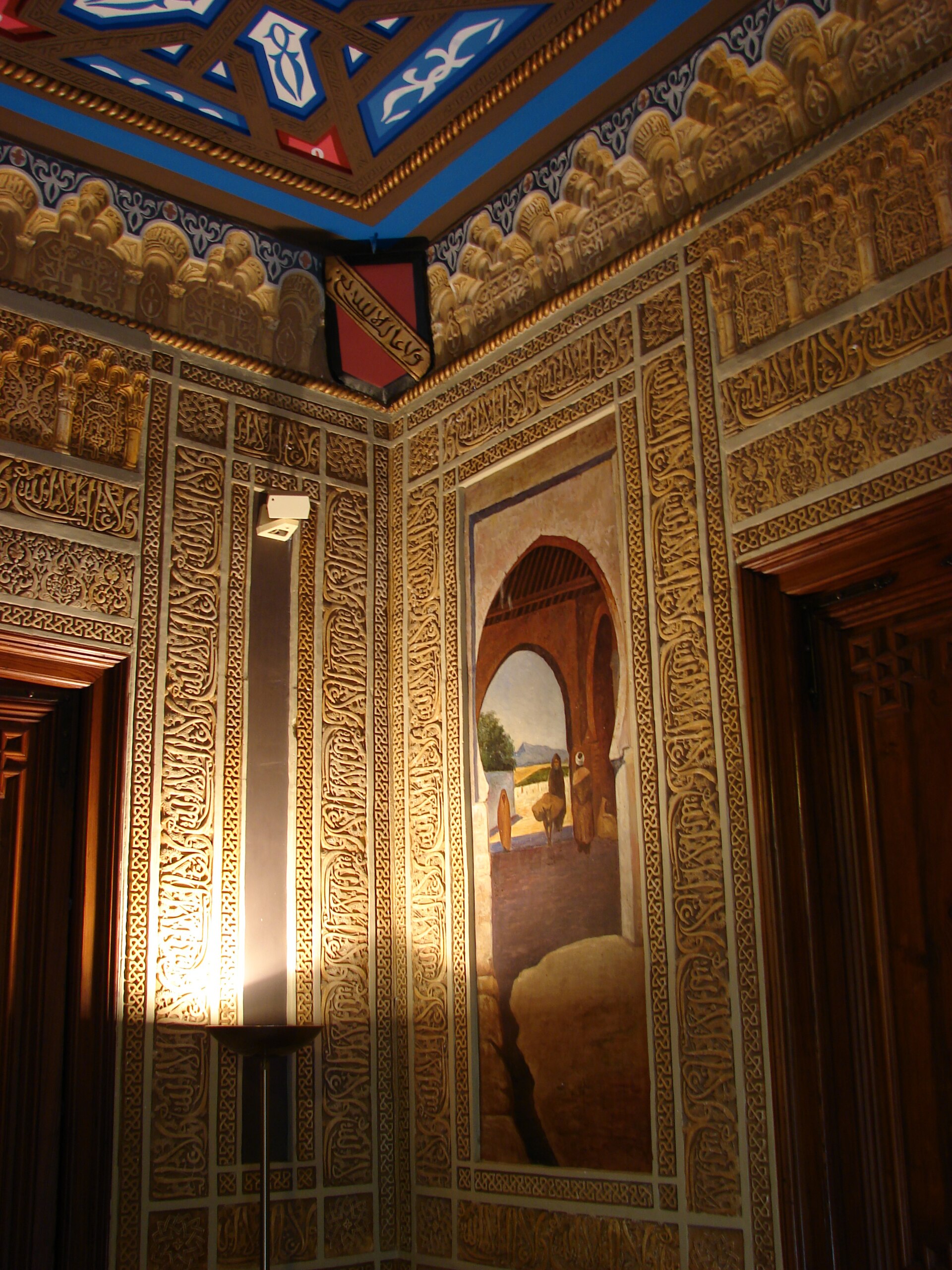
This small palace in the Moorish revival style dates from the mid-19th century and was built by bricklayers and craftsmen who came from Tetouan in Morocco. With arches, tiles and a lush garden, it is one of the most beautiful houses in town – and today it houses the tourist office, so you can have a look inside.

More squares
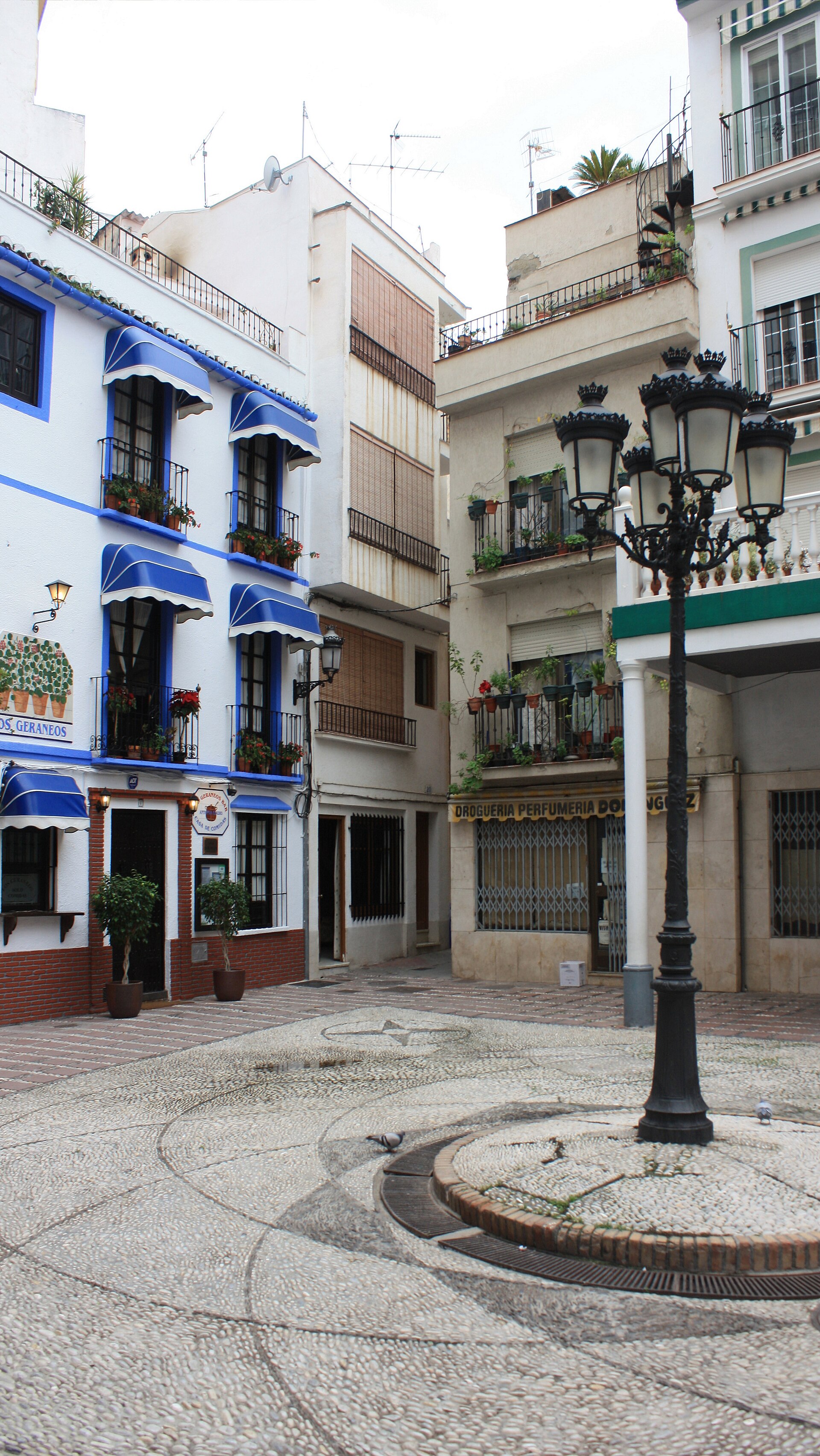
- Plaza de la Rosa – a charming little square with street lanterns and blue balconies right in the old town.
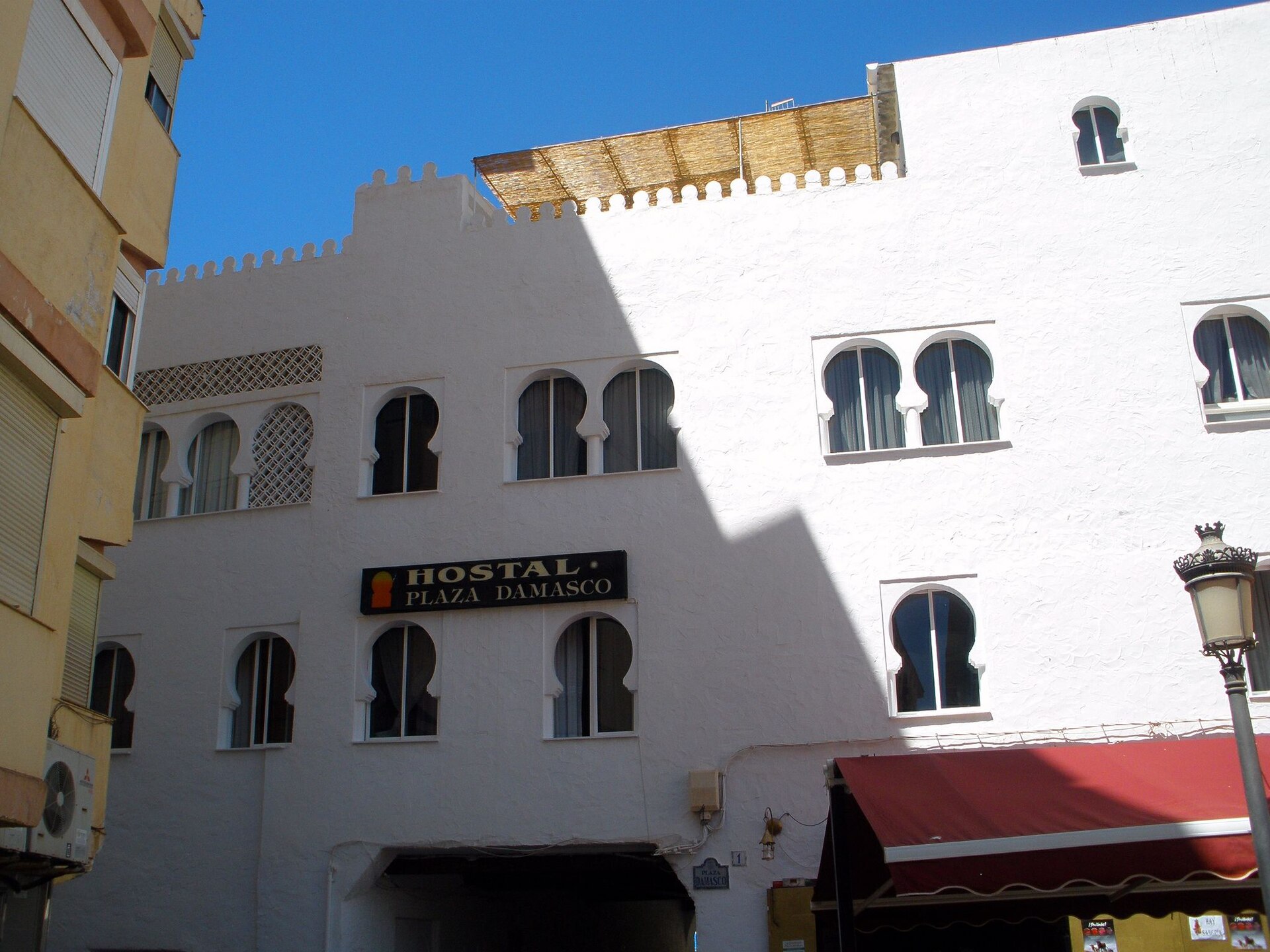
- Plaza Damasco – the square that bears the name of Damascus.
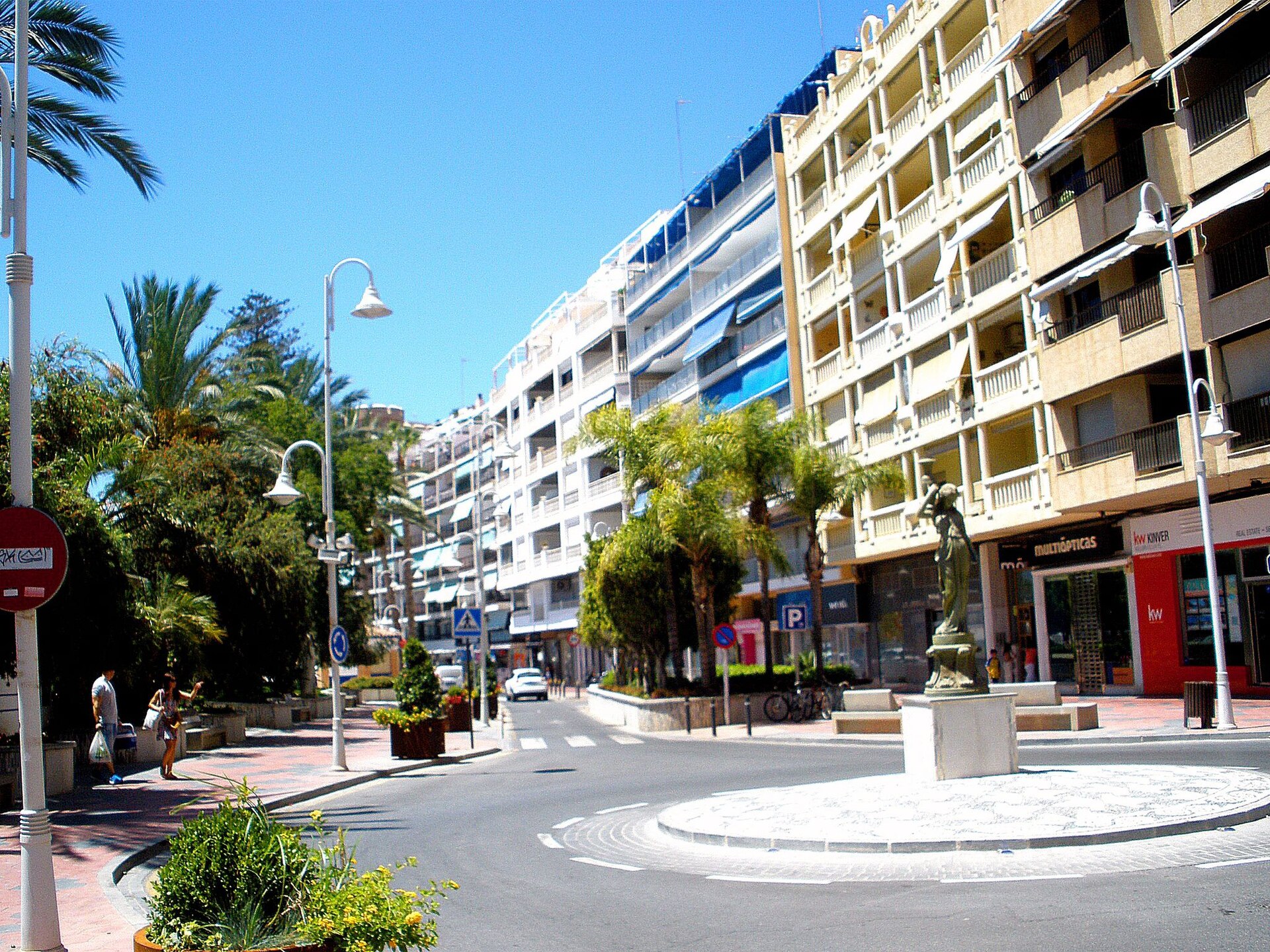
- Plaza de Abderramán I – by the beach, featuring the statue of the emir who landed here in 755.
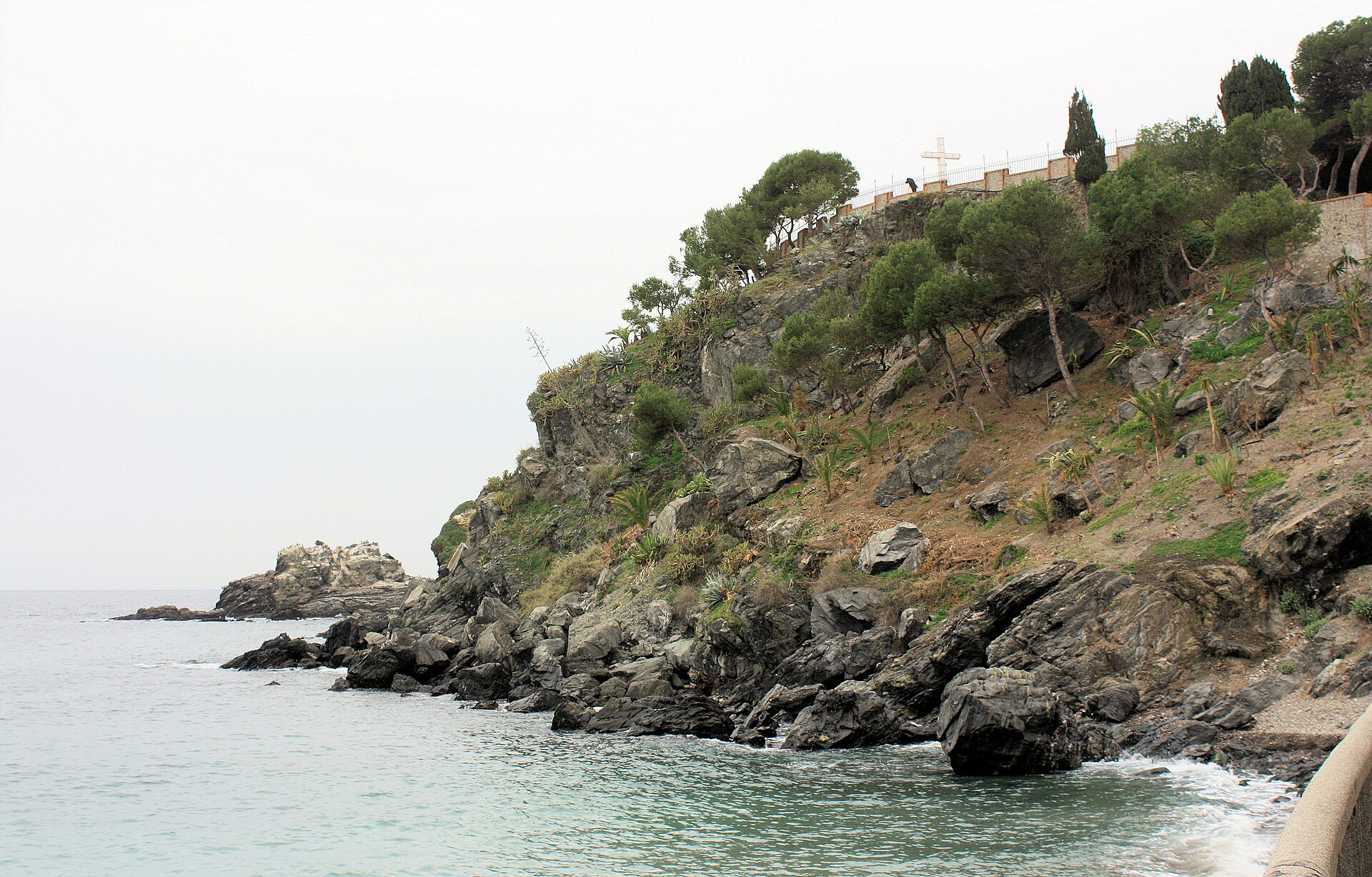
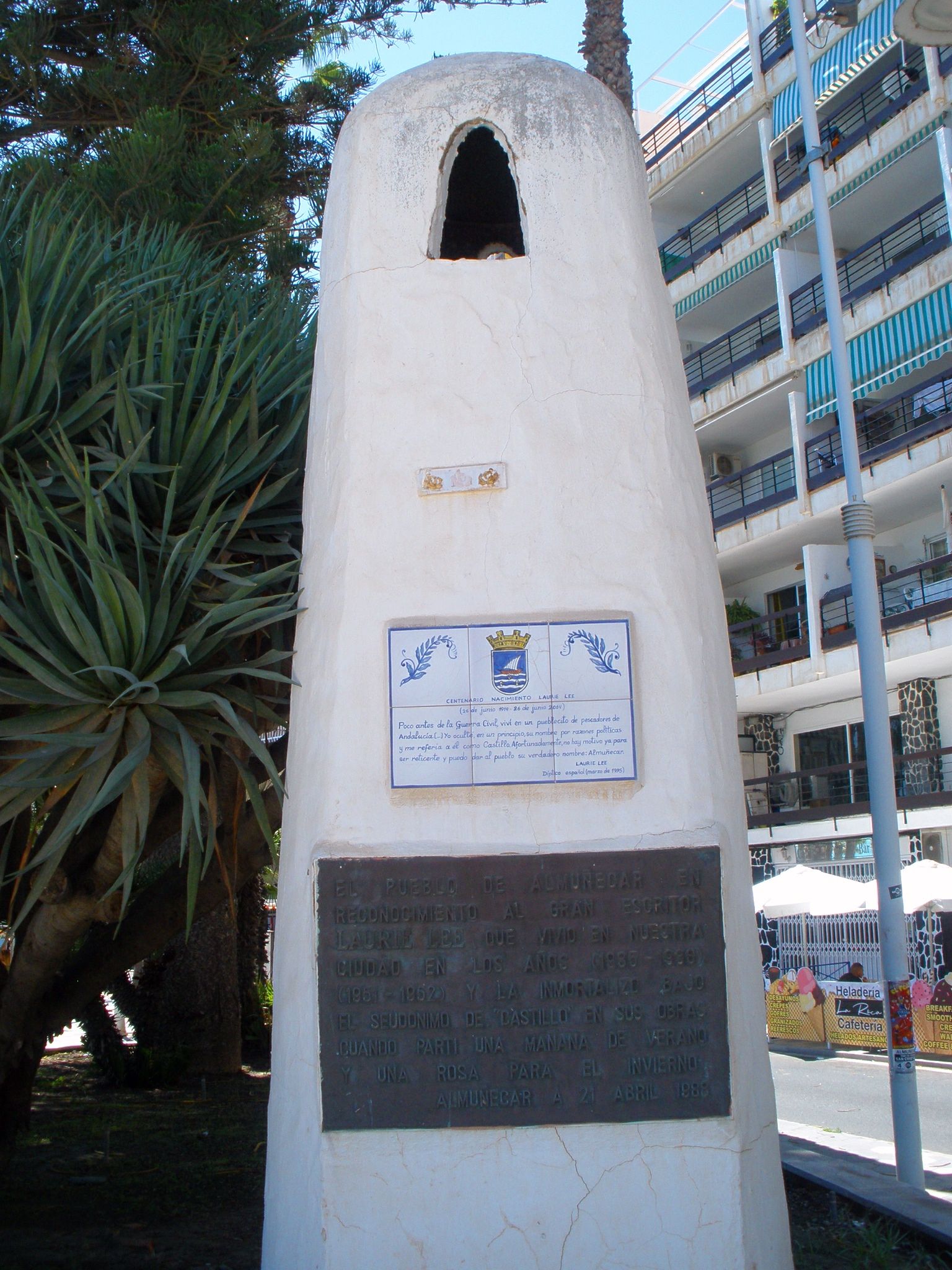
- Paseo del Altillo – the scenic promenade overlooking Peñón del Santo, home to the Laurie Lee monument.